
1. Introduction: Why Spermidine Pricing Matters
Let’s start with a simple question: why does the spermidine factory price matter so much? If you’re sourcing spermidine for supplements, pharmaceuticals, cosmetics, or research, you already know that price isn’t just a number on an invoice. It’s a reflection of quality, consistency, technology, and long-term reliability.
Think of spermidine pricing like buying a car. Two vehicles might look similar on the surface, but when you dig deeper—engine quality, fuel efficiency, safety features—you realize one is better, stronger, and more reliable, even if it’s slightly more expensive. The same logic applies to spermidine factory price compared to reseller prices or low-grade alternatives.
Asglobal interest in longevity science, autophagy, and anti-aging continues to grow, spermidine has shifted from a niche compound into a mainstream bioactive ingredient. This surge in demand has made factory pricing more visible, more competitive, and frankly, more confusing. Buyers want to know:
- Is this factory price fair compared to others?
- Is cheaper always better, or does it hide risks?
- What am I really paying for?
In this guide, we’ll walk through every angle of spermidine factory pricing, using real-world comparisons, plain language, and practical insights so you can make informed, confident decisions.
2. What Is Spermidine? Product Forms and Industrial Applications
Before we talk numbers, we need to talk about the product itself. Spermidine is a naturally occurring polyamine found in wheat germ, soybeans, mushrooms, and fermented foods. In industrial production, however, spermidine is typically manufactured through microbial fermentation, not direct extraction, because fermentation is faster, stronger in yield, and more scalable compared to plant extraction.
Common Product Forms Compared
Spermidine is available in several forms, each affecting factory price differently:
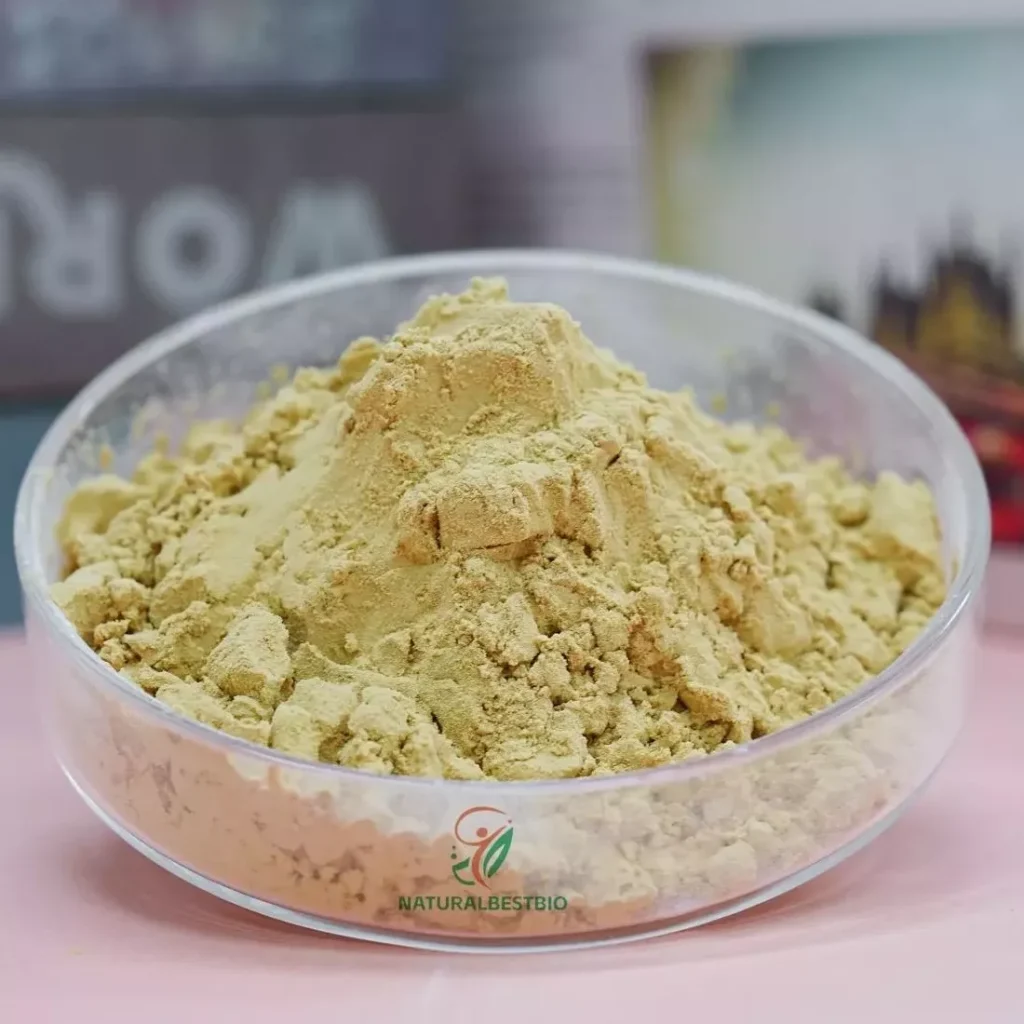
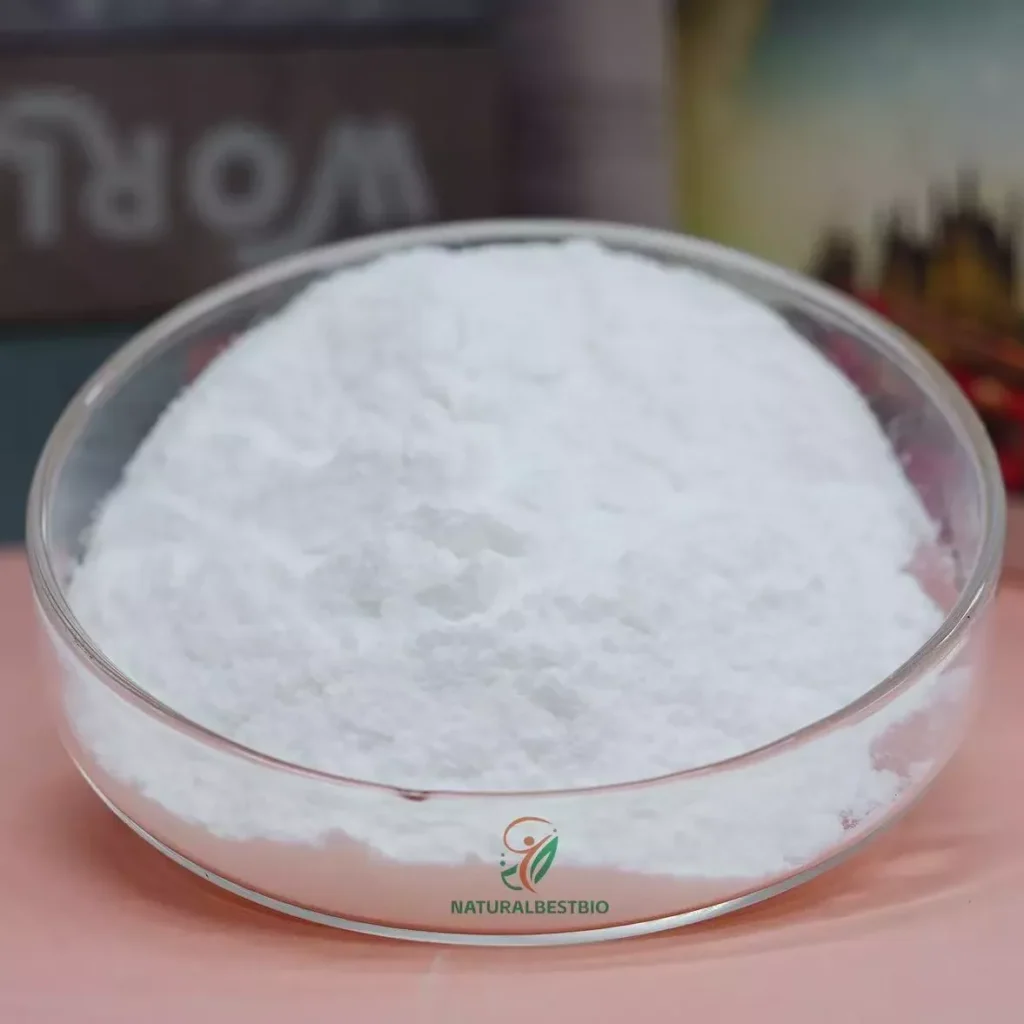
- Spermidine trihydrochloride powder
This is the most common industrial form. It’s stable, lighter for transport, and easier to formulate compared to liquid forms. Factory price here is usually lower per kilogram compared to ultra-high-purity variants. - High-purity spermidine (≥98%)
Used in pharmaceuticals and clinical research. Compared to food-grade spermidine, this option is more expensive due to stricter quality control and purification steps. - Encapsulated or premix forms
These add convenience but are less cost-effective at the factory level compared to raw powder.
Industrial Applications Driving Demand
Spermidine’s applications directly influence factory pricing:
- Dietary supplements: The largest market. Compared to pharmaceutical use, supplement-grade spermidine is cheaper but still demands consistent quality.
- Pharmaceutical R&D: Requires higher purity, making production slower and more expensive.
- Cosmetics: Uses smaller doses but demands stability and traceability.
- Academic research: Often prioritizes purity over cost, driving up per-unit pricing.
In short, what you use spermidine for matters just as much as where you buy it.
3. Understanding Spermidine Factory Price
So, what exactly does “spermidine factory price” mean?
In simple terms, it’s the ex-works price—the cost of spermidine directly from the manufacturer, before distributor markups, branding premiums, or retail margins are added. Compared to reseller prices, factory prices are usually lower, more transparent, and more flexible for bulk buyers.
However, factory price doesn’t mean “cheap.” It means cost-structured. You’re paying for:
- Raw materials
- Fermentation and purification processes
- Quality assurance
- Compliance documentation
- Packaging and logistics readiness
When compared to trader-supplied material, factory-direct spermidine often offers better consistency, faster lead times, and stronger supply chain security, even if the upfront price looks slightly higher.
4. Key Factors Influencing Spermidine Factory Price
4.1 Raw Material and Fermentation Costs
At the heart of spermidine production is fermentation. The quality of microbial strains, nutrient media, and fermentation conditions directly impacts yield.
Compared to low-grade fermentation setups, advanced facilities achieve:
- Higher yield per batch
- Lower impurity levels
- Faster production cycles
However, better fermentation inputs are more expensive. That’s why factories using pharmaceutical-grade raw materials typically charge more compared to food-grade producers.
Another overlooked factor is raw material price volatility. Glucose, nitrogen sources, and energy costs fluctuate globally. When these go up, factory prices usually follow—though efficient manufacturers absorb some of the impact better than others.
4.2 Production Technology and Manufacturing Scale
Technology is where price differences become obvious.
A small-scale factory using outdated equipment will have:
- Slower production
- Higher labor costs
- Less consistent output
Compared to that, a modern large-scale factory with automated systems produces spermidine faster, more consistently, and cheaper per kilogram.
Economies of scale matter. Larger production volumes spread fixed costs across more output, making prices more competitive for bulk buyers. This is why MOQ-based pricing often drops sharply after certain volume thresholds.
4.3 Purity, Specification, and Quality Standards
Purity is one of the strongest price drivers.
- 95% purity: Suitable for many supplement applications, less expensive.
- 98%–99% purity: Required for pharma and research, more expensive due to extra purification steps.
Each additional percentage point of purity increases:
- Solvent usage
- Processing time
- Quality testing
Compared to lower-spec material, ultra-pure spermidine is stronger in efficacy but also heavier on cost. Buyers must balance application needs against budget realities.
4.4 Packaging, Storage, and Transportation
Packaging sounds trivial, but it’s not.
Compared to standard polyethylene bags, pharmaceutical-grade packaging:
- Protects against moisture and oxidation
- Extends shelf life
- Reduces degradation risk
Cold storage, nitrogen flushing, and moisture barriers all add cost. Transportation also matters—air freight is faster but more expensive compared to sea freight, especially for international buyers.
5. Regional Differences in Spermidine Factory Pricing
Geography plays a bigger role than most buyers expect.
Asia (Especially China)
China dominates global spermidine production. Compared to Europe or North America, Chinese factories offer more competitive pricing due to:
- Lower labor costs
- Mature fermentation infrastructure
- Larger production capacity
Europe
European manufacturers focus on pharma-grade quality. Compared to Asian suppliers, prices are higher, but regulatory alignment is stronger for EU markets.
North America
Limited production capacity means higher prices. Compared to imports, domestic spermidine is more expensive but offers faster local compliance support.
Regional pricing differences don’t mean one source is better in all cases—it depends on your regulatory, logistical, and branding needs.
6. Current Market Trends Affecting Spermidine Prices
Several trends are reshaping spermidine factory price dynamics:
- Rising longevity research funding
- Increased supplement consumer awareness
- Stricter regulatory oversight
- Energy and logistics cost fluctuations
Compared to five years ago, spermidine is no longer obscure. Demand growth has made prices more stable, but premium grades have become more expensive due to quality expectations.
7. How to Evaluate a Competitive Spermidine Factory Price
A competitive price isn’t just the lowest number.
Ask yourself:
- Is the quality consistent batch-to-batch?
- Are COAs and test methods transparent?
- Is the supplier responsive and reliable?
Compared to cheap, inconsistent sources, a slightly higher factory price often delivers better long-term value, fewer recalls, and stronger customer trust.
8. Tips for Reducing Spermidine Procurement Costs
Want to pay less without sacrificing quality?
- Buy in larger volumes to unlock scale pricing
- Commit to long-term contracts
- Optimize purity specifications—don’t overbuy
- Compare logistics options
Smart sourcing is about strategy, not shortcuts.
9. Conclusion: Making Informed Decisions on Spermidine Factory Price
The spermidine factory price is more than a cost—it’s a signal. It reflects technology, quality, compliance, and reliability. Compared to chasing the cheapest offer, choosing the right price leads to stronger partnerships, better products, and long-term success.
In a market that’s growing fast and getting more competitive, informed buyers always win.
10. FAQ
| Question | Answer |
|---|---|
| What is the average spermidine factory price? | Prices vary widely depending on purity, volume, and region, but factory prices are generally lower compared to distributor pricing. |
| Why is high-purity spermidine more expensive? | Higher purity requires additional purification, testing, and quality control, making production slower and more costly. |
| Is cheaper spermidine always worse? | Not always, but extremely low prices often indicate lower purity, weaker quality control, or inconsistent supply. |
| Does region affect spermidine factory price? | Yes. Asian factories are generally more cost-competitive compared to European and North American producers. |
| How can I negotiate a better factory price? | Larger order volumes, long-term agreements, and flexible delivery schedules often lead to better pricing. |