

Magnesium Acetyl-Taurate has emerged as a cutting-edge compound in the nutraceutical industry. Furthermore, it is uniquely positioned to bridge the gap between neuromuscular support and metabolic anti-aging. Because this complex combines acetylated taurine with magnesium, it offers superior bioavailability compared to standard forms. For a deep dive into micronutrient standards, you can refer to the NIH Office of Dietary Supplements.
(30-Second Quick Overview)
To begin with, let’s look at the foundational science. Firstly, a 2023 study in Science shows taurine delays aging. Secondly, a 2024 Nature study identifies N-acetyltaurine as a key appetite regulator. Finally, NIH data confirms that magnesium deficiency is widespread. Consequently, the “acetyl-taurine-magnesium” complex is expected to balance bioavailability and metabolic targeting effectively.
1. What is Magnesium Acetyl-Taurate?
Magnesium Acetyl-Taurate can be understood as a complex formed by acetylated taurine and magnesium ions. In particular, its design goals include:
- Enhancing solubility: Acetylation potentially facilitates blood-brain barrier penetration.
- Providing magnesium: It meets the demands of neuromuscular and cardiovascular function.
- Retaining taurine benefits: It keeps properties like anti-inflammation and membrane stabilization.
2. Why the “Taurine × Magnesium” Combination?
Moreover, the synergy between these two components is scientifically compelling. While taurine focuses on anti-inflammation and neuroprotection, magnesium acts as a critical mineral for energy metabolism.
2.1 Taurine: A New Signal Molecule from Anti-Aging to Metabolism
With back-to-back publications in Science and Nature, taurine has opened up a new anti-aging pathway. For instance, supplementation extended the lifespan of mice by 10–12%. Furthermore, daily taurine intake significantly reduced blood pressure in a randomized controlled trial (RCT) involving 120 individuals.
2.2 Magnesium: The Underrated “Cofactor for Metabolic Engines”
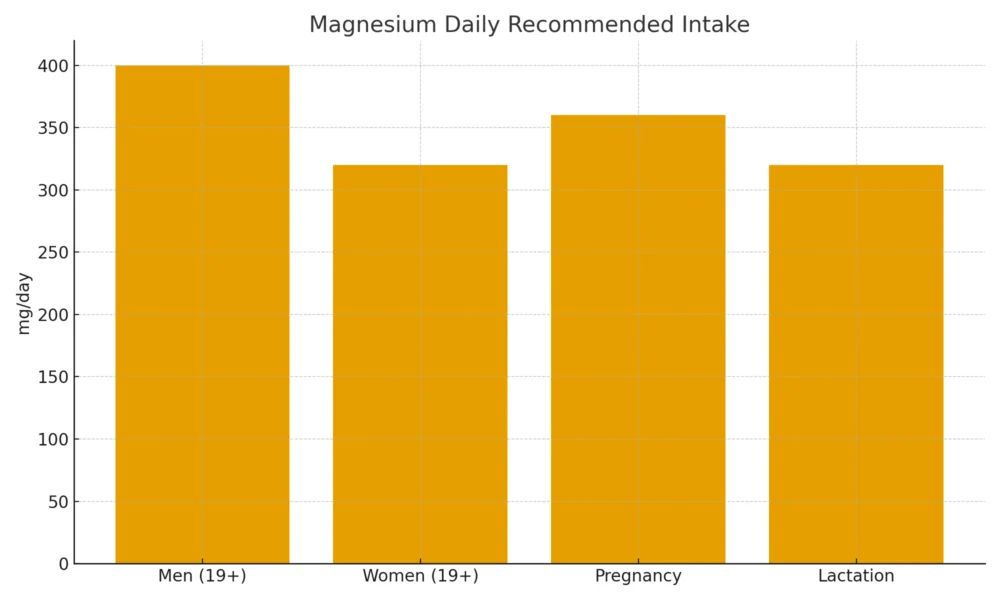
In addition to its basic physiology, magnesium is involved in ATP production and glucose regulation. As a result, adequate intake is associated with improved metabolic health. Nonetheless, many adults still fail to meet the RDA of 310–420 mg daily.
2.3 Rationale for the Combination
Theoretically, Magnesium Acetyl-Taurate integrates three key advantages:
- Taurine’s multi-target benefits in anti-inflammation, membrane stabilization, myocardial protection, and metabolic regulation.
- Magnesium’s essential role in energy metabolism, neuromuscular function, and vascular health.
- Optimized physicochemical properties via acetylation.
3. Key Data at a Glance
When analyzing the efficacy, the following data provides a clear picture.
| Category of Data | Details |
|---|---|
| (A) Taurine’s Blood Pressure-Lowering Effect in Pre-Hypertensive Individuals (Sun et al., Hypertension, 2016) | – Clinic systolic blood pressure: −7.2 mmHg (vs. −2.6 mmHg in placebo group) – Clinic diastolic blood pressure: −4.7 mmHg (vs. −1.3 mmHg in placebo group) – 24-hour systolic blood pressure: −3.8 mmHg (vs. −0.3 mmHg in placebo group) – 24-hour diastolic blood pressure: −3.5 mmHg (vs. −0.6 mmHg in placebo group) |
| (B) Magnesium RDA (NIH Office of Dietary Supplements) | – Men (19+): 400–420 mg/day – Women (19+): 310–320 mg/day – Pregnant women: 350–360 mg/day – Lactating women: 310–320 mg/day |
| (C) Magnesium Taurate in Animal Models | – Spontaneously hypertensive rats: Magnesium taurate slows the progression of hypertension and improves myocardial changes (mechanisms involve vascular regulation and oxidative stress pathways). |
Furthermore, you can review the detailed cardiovascular benefits of taurine through this peer-reviewed meta-analysis.
4. Application Scenarios and Compatibility Insights (Popular Science, Not Medical Advice)
Regarding practical use, there are several key scenarios. Primarily, it is suitable for cardiovascular support in individuals with borderline high blood pressure. Additionally, the N-acetyltaurine pathway suggests potential in metabolic weight management. However, always prioritize lifestyle interventions first. Regarding neurological health, magnesium and taurine may theoretically synergize to benefit sleep quality.
5. R&D and Market Insights
- Formulation and Claims: Avoid overstating “lifespan extension.” It is more prudent to focus on “cardiovascular/metabolic/neurological support” and “cutting-edge research on the food intake-weight pathway” (citing the 2023 Science and 2024 Nature studies).
- Clinical Gaps: Currently, direct human clinical data on “Magnesium Acetyl-Taurate” remains limited. It is recommended to supplement the evidence base through observational feeding studies and registered clinical trials, while avoiding medicalized marketing.
References and Research Links (Clickable)
- Taurine deficiency as a driver of aging. Science, 2023. (Full text available) PMC
- PTER is a N-acetyltaurine hydrolase that regulates feeding and body weight. Nature, 2024; Stanford Medicine News. Wu Tsai Neurosciences Institute | Nature | PubMed
- Taurine Supplementation Lowers Blood Pressure… Hypertension, 2016 (RCT, n=120). PubMed
- Magnesium – NIH ODS (Professional/Consumer Version): RDA, Sources, and Safety. ods.od.nih.gov
- Magnesium taurate & Hypertension models (Review/Animal Studies). PMC
- Taurine & Cardiovascular Benefits (Review). PMC
Important Disclaimer: This article is for informational purposes only and intended for professionals in the nutrition and health industry. All efficacy-related descriptions are supported by relevant data but do not constitute claims or guidance for consumers. Content related to health, medicine, and technological applications is for reference only. For medical needs, consult a professional medical institution and follow medical advice. This article does not provide any medical recommendations.