

Introduction
The global demand for brain health supplements continues to expand as consumers seek products that support memory, focus, mental performance, and healthy aging. For supplement brands and formulators, selecting the right nootropic ingredients cognitive health solutions requires more than choosing popular actives. Buyers must evaluate scientific support, raw material quality, regulatory considerations, dosage formats, and supply chain reliability.
Modern cognitive health formulations increasingly combine traditional botanical extracts, advanced nutrients, and delivery technologies to create differentiated products. Ingredients such as citicoline, Bacopa monnieri, phosphatidylserine, Huperzine A, and magnesium threonate have become key options for brands developing premium brain health products.
For B2B formulators, understanding the functional characteristics and sourcing requirements of these ingredients is essential for building effective, market-ready supplement concepts.
Key Nootropic Ingredients for Cognitive Health
The category of nootropic ingredients cognitive health includes a wide range of compounds designed to support different aspects of cognitive wellness. From neurotransmitter support to cellular energy metabolism, each ingredient offers unique formulation opportunities.
Scientific research on cognitive health ingredients continues to grow, with databases such as PubMed research database providing access to published studies evaluating different nutritional compounds and botanical extracts.
Citicoline (CDP-Choline)
Citicoline, also known as CDP-choline, is one of the most widely recognized ingredients in cognitive health formulations. It is a naturally occurring compound involved in phospholipid metabolism and provides a source of choline, an essential nutrient involved in acetylcholine production.
For supplement brands, citicoline is attractive because it fits well into a variety of product formats, including capsules, tablets, powders, and functional beverage blends. It is often selected for formulas targeting focus, attention, and overall cognitive performance.
From a sourcing perspective, buyers should evaluate:
- Citicoline content and purity specifications
- Manufacturing consistency between batches
- Supporting documentation for identity and quality testing
- Compatibility with other active ingredients
High-quality citicoline raw materials should include analytical documentation such as certificates of analysis (COAs), heavy metal testing, and microbial testing.
For brands developing premium cognitive formulas, citicoline can serve as a core ingredient combined with complementary nutrients such as phosphatidylserine or botanical extracts.
Bacopa Monnieri (Standardized Bacosides)
Bacopa monnieri is a traditional botanical ingredient widely used in cognitive health supplements. The primary active compounds, known as bacosides, are responsible for much of the research interest surrounding this herb.
For B2B formulators, standardization is one of the most important considerations when sourcing Bacopa monnieri extract. Raw botanical materials can vary significantly depending on cultivation conditions, extraction methods, and processing techniques.
A reliable Bacopa ingredient supplier should provide:
- Defined bacoside standardization levels
- Botanical identification testing
- Extraction process details
- Stability and shelf-life information
Standardized Bacopa extracts allow brands to create more consistent formulations compared with using non-standardized plant powders.
Bacopa is commonly incorporated into cognitive blends alongside other nootropic ingredients cognitive health customers recognize, helping brands create multi-ingredient formulas positioned around focus, memory, and long-term brain wellness.
Phosphatidylserine
Phosphatidylserine (PS) is a phospholipid naturally found in cell membranes, particularly in tissues with high metabolic activity. It has become a popular ingredient in brain health supplements due to its role in maintaining cellular structure and supporting normal cognitive function.
For formulators, phosphatidylserine offers several advantages:
- Strong consumer recognition in the brain health category
- Compatibility with capsule and softgel formats
- Ability to combine with nutrients, amino acids, and botanical extracts
When sourcing phosphatidylserine, buyers should review the source material, such as whether it is derived from soy or sunflower, as this can influence positioning for clean-label and allergen-conscious products.
Quality evaluation should include:
- Phosphatidylserine assay testing
- Source transparency
- Oxidation control measures
- Stability data
Because phosphatidylserine is a premium-priced cognitive ingredient, supplier reliability and documentation quality are especially important for brands developing high-value supplement products.
Huperzine A
Huperzine A is a naturally occurring alkaloid extracted from Huperzia serrata. It has attracted attention in cognitive supplement development because of its unique mechanism of action related to acetylcholine metabolism.
For commercial supplement development, Huperzine A requires careful consideration due to its potency and dosage requirements. Compared with bulk botanical powders, standardized extracts provide better control over active compound levels.
When evaluating Huperzine A suppliers, formulators should consider:
- Standardization specifications
- Extraction and purification processes
- Regulatory documentation
- Recommended dosage guidance
Because Huperzine A is typically used at relatively low inclusion levels, accurate testing and manufacturing controls are critical.
Brands should also ensure that formulations comply with applicable regulatory requirements. Supplement companies should reference official guidance from organizations such as the U.S. Food and Drug Administration (FDA) dietary supplement resources when developing products for regulated markets.
Magnesium Threonate / L-Threonate
Magnesium threonate is an advanced magnesium ingredient developed for applications related to brain magnesium levels and cognitive wellness. It differs from traditional magnesium salts because it uses L-threonate as a carrier molecule.
For formulators, magnesium threonate represents an opportunity to create differentiated products within the growing premium mineral supplement category.
Key sourcing considerations include:
- Magnesium content verification
- Ingredient identity confirmation
- Stability testing
- Compatibility with capsule and powder formats
Magnesium threonate is often positioned in advanced cognitive health formulas alongside other premium actives, including citicoline, phosphatidylserine, and botanical extracts.
As consumers increasingly seek comprehensive brain health solutions, combining multiple complementary ingredients has become a common strategy for supplement brands.
Formulation Considerations for Cognitive Health Products
Developing a successful cognitive health supplement requires careful attention to ingredient combinations, dosage levels, delivery formats, and consumer positioning.
The first consideration is formula architecture. Some brands choose a single hero ingredient approach, while others develop multi-active formulas combining nutrients, botanicals, and specialized compounds. Multi-ingredient products may provide broader market appeal, but they also require careful evaluation of ingredient compatibility.
Dosage format is another important factor. Capsules remain one of the most common choices for cognitive supplements because they allow precise dosing of concentrated ingredients. Powders and drink mixes are gaining popularity among consumers seeking convenient daily routines.
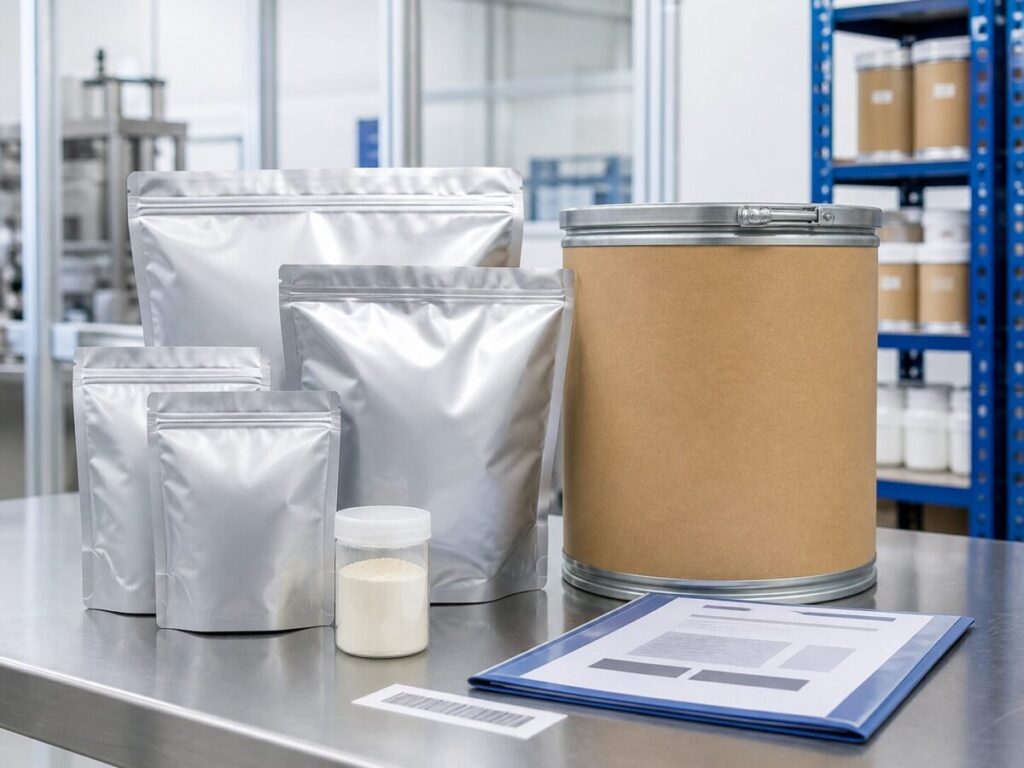
Stability is also critical. Certain botanical extracts and sensitive nutrients may require additional protection from moisture, oxygen, or heat exposure. Manufacturers should evaluate ingredient specifications, packaging requirements, and shelf-life data before finalizing a formulation.
Supplier documentation plays a major role in product development. Brands should request technical files, testing reports, and scientific references before selecting raw materials. Resources such as a comprehensive technical dossier and evidence library can help formulators assess ingredient background and supporting information.
For companies seeking faster product development, format-ready solutions can simplify the transition from ingredient selection to finished product concepts. A format-ready nutraceutical proof pack can provide additional support for evaluating formulation possibilities.
Ultimately, successful cognitive health products balance scientific credibility, consumer expectations, regulatory compliance, and commercial feasibility.
How to Choose a Nootropic Ingredient Supplier
Selecting the right supplier is one of the most important decisions for supplement brands entering the cognitive health market. A reliable partner should provide consistent quality, transparent documentation, and technical support throughout product development.
Key supplier evaluation criteria include:
1. Quality Management Systems
Suppliers should demonstrate strong manufacturing controls, including batch testing, traceability procedures, and quality assurance documentation.
2. Scientific and Technical Support
A supplier should provide detailed technical information, research references, and formulation guidance to help brands make informed decisions.
3. Flexible Product Development Support
Different brands require different solutions, from individual raw materials to complete formulation concepts. Suppliers with broader capabilities can help accelerate development timelines.
4. Regulatory Awareness
Cognitive health products must meet regulatory requirements in target markets. Ingredient suppliers should understand documentation needs and provide appropriate compliance support.
Brands exploring brain health raw materials can review specialized ingredient solutions through the nootropic and anti-aging ingredient category.
A qualified supplier should function as more than a raw material provider. The strongest partnerships combine ingredient quality, technical expertise, and long-term supply reliability.
Conclusion
The demand for cognitive wellness products continues to create opportunities for supplement brands seeking innovative formulations. Selecting the right nootropic ingredients cognitive health solutions requires careful evaluation of scientific support, ingredient quality, dosage compatibility, and supplier capabilities.
Citicoline, Bacopa monnieri, phosphatidylserine, Huperzine A, and magnesium threonate each offer unique formulation advantages for modern brain health products.
For brands looking to develop reliable cognitive health supplements, partnering with an experienced ingredient supplier can simplify sourcing and improve product development efficiency. Explore cognitive health ingredient solutions or contact our team to discuss your next formulation project.