
Introduction
The demand for mitochondrial health supplements continues to expand as consumers increasingly seek products designed to support cellular energy, healthy aging, and daily performance. For supplement brands and formulators, selecting the right mitochondrial ingredients bulk supply is a critical step in developing differentiated products with strong positioning, reliable quality, and formulation flexibility.
Mitochondrial-focused ingredients such as PQQ, CoQ10, NAD+ precursors, and Shilajit represent different approaches to cellular energy support. Each ingredient has unique mechanisms, dosage considerations, stability profiles, and manufacturing requirements that impact product development decisions.
For B2B buyers, sourcing is not simply about ingredient availability. Factors including raw material purity, analytical documentation, delivery format, bioavailability strategy, regulatory compliance, and supplier technical support all influence the final product outcome.
This guide compares major mitochondrial ingredients bulk options to help supplement companies evaluate which ingredients best fit capsules, powders, functional beverages, and advanced nutraceutical formulations.
Key Mitochondrial Ingredients Bulk Categories
When evaluating mitochondrial ingredients bulk, formulators typically compare ingredients based on their role in cellular energy pathways, research support, formulation compatibility, and commercial scalability.
While some ingredients directly participate in mitochondrial energy metabolism, others support related cellular processes such as antioxidant defense, nutrient recycling, or metabolic signaling. Understanding these differences helps brands select combinations that align with their target market and product positioning.
PQQ (Pyrroloquinoline Quinone)
Pyrroloquinoline quinone (PQQ) is a bioactive compound commonly used in mitochondrial health formulations due to its role in cellular signaling and mitochondrial function research. It is often positioned in premium longevity, cognitive wellness, and cellular energy products.
PQQ is primarily valued for its involvement in pathways related to mitochondrial biogenesis, the process through which cells regulate the formation and maintenance of mitochondria. Research interest around PQQ has contributed to its popularity among brands developing advanced healthy aging formulas.
Scientific literature related to mitochondrial health ingredients can be explored through resources such as PubMed mitochondrial health supplement research.
Formulation Considerations for Bulk PQQ
For B2B formulators sourcing PQQ in bulk quantities, several factors should be evaluated:
- Purity percentage and active content verification
- Testing methods for identity and potency
- Stability during processing and storage
- Compatibility with other mitochondrial compounds
- Documentation including Certificate of Analysis (COA)
PQQ is commonly incorporated into capsule and tablet formats, often alongside CoQ10, NAD+ supporting ingredients, antioxidants, or botanical extracts. Because of its premium positioning, suppliers that provide strong technical documentation can help brands support transparent product development.
For manufacturers developing mitochondrial-focused product lines, PQQ can serve as a key component within broader cellular energy formulas. Ingredient platforms covering mitochondrial optimization solutions can be explored through Nutrition BioTech Mitochondrial Optimizers and NAD+ Boosters.
CoQ10 (Ubiquinol vs Ubiquinone)
Coenzyme Q10 (CoQ10) is one of the most established mitochondrial ingredients used in nutritional supplements. It naturally occurs in cells and plays an important role in the mitochondrial electron transport chain, where it participates in cellular energy production.
For supplement brands sourcing CoQ10 bulk, the primary decision is usually between two forms:
- Ubiquinone (oxidized form)
- Ubiquinol (reduced form)
Both forms are widely used, but they differ in chemical structure, stability, and formulation considerations.
Ubiquinone CoQ10
Ubiquinone is the traditional form of CoQ10 and has a long history of use in dietary supplements. It is generally recognized for good stability and cost efficiency, making it suitable for mainstream formulations.
Advantages for manufacturers include:
- Established market acceptance
- Longer supply chain history
- Good raw material stability
- Competitive cost structure
For brands developing high-volume products, ubiquinone may provide an effective balance between consumer familiarity and manufacturing economics.
Ubiquinol CoQ10
Ubiquinol is the reduced form of CoQ10 and is often positioned as a premium ingredient due to its enhanced bioavailability characteristics.
Bulk ubiquinol sourcing requires additional attention because the ingredient can be more sensitive to oxidation compared with ubiquinone. Manufacturers should evaluate:
- Stabilization technology
- Packaging conditions
- Antioxidant protection systems
- Shelf-life validation
Premium supplement brands often select ubiquinol for advanced healthy aging and energy-support formulas where ingredient differentiation is important.
A supplier’s ability to provide format-ready solutions, technical documents, and formulation guidance can significantly improve product development efficiency. Resources such as a Nutrition BioTech Format-Ready Nutraceutical Proof Pack can help brands evaluate ingredient documentation and commercialization readiness.
NAD+ Precursors (NMN, NR, NAD Liposomal)
NAD+ (nicotinamide adenine dinucleotide) has become a major focus area within cellular health and longevity supplement development. Because NAD+ levels naturally change with age and metabolic demands, formulators have explored different strategies to support NAD+ availability.
The main NAD-related ingredients used in supplement development include:
- NMN (Nicotinamide Mononucleotide)
- NR (Nicotinamide Riboside)
- NAD+ itself, often delivered through advanced formats such as liposomal systems
Each option has different considerations for formulation, regulatory positioning, and consumer communication.
NMN Bulk Ingredients
NMN has gained significant attention among longevity-focused brands due to its role as a direct NAD+ precursor.
For B2B buyers sourcing NMN bulk, key considerations include:
- Purity level
- Manufacturing process
- Residual solvent testing
- Heavy metal analysis
- Stability data
NMN is commonly used in capsules, powders, and combination formulas targeting cellular energy and healthy aging markets.
NR Bulk Ingredients
NR is another NAD+ precursor used in nutritional supplement formulations. It has attracted interest due to its role in NAD+ metabolism research and its compatibility with various supplement formats.
Brands comparing NMN and NR should evaluate:
- Consumer awareness
- Cost positioning
- Available clinical documentation
- Supply chain reliability
NAD+ Liposomal Delivery
Direct NAD+ formulations often focus on advanced delivery systems. Liposomal technology is used by some brands to improve ingredient protection and create premium product positioning.
For manufacturers exploring advanced NAD+ products, considerations include:
- Liposome particle characteristics
- Encapsulation efficiency
- Stability testing
- Finished product shelf life
Because delivery technology can significantly influence commercial positioning, suppliers with expertise in advanced nutraceutical formats can provide valuable support during formulation development.
Shilajit / Fulvic Acid
Shilajit is a natural mineral-rich substance traditionally used in wellness formulations. Modern supplement brands often incorporate purified Shilajit extracts into products positioned around cellular energy, vitality, and healthy aging.
The primary bioactive components associated with Shilajit include fulvic acid and other naturally occurring compounds.
For B2B formulators, sourcing high-quality Shilajit requires careful evaluation because raw material quality can vary significantly depending on geographic origin, extraction methods, and purification standards.
Bulk Shilajit Sourcing Considerations
Important supplier evaluation points include:
- Authentication of botanical and mineral origin
- Fulvic acid content verification
- Heavy metal testing
- Microbial testing
- Extraction and purification methods
Purified Shilajit extracts are commonly used in capsules, powders, and blended formulations. Since consumers increasingly seek natural solutions within the longevity category, Shilajit can complement other mitochondrial ingredients when formulation goals require a botanical positioning.
Brands exploring broader cellular energy and healthy aging ingredient solutions can review Nutrition BioTech Cellular Energy & Cellular Health Ingredients.
Side-by-Side Comparison Table: Mitochondrial Ingredients Bulk Options
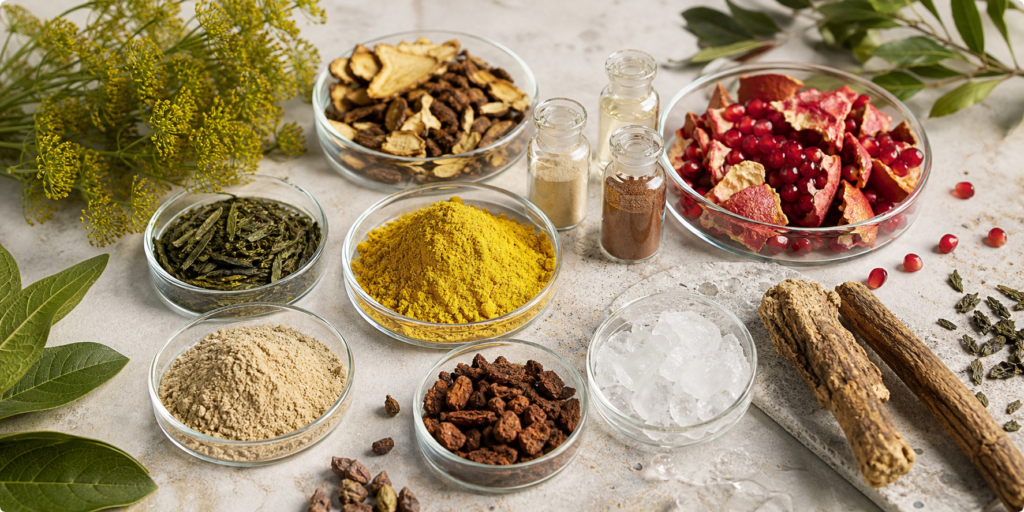
For supplement brands and contract manufacturers, comparing mitochondrial ingredients requires looking beyond scientific interest. Commercial factors such as raw material stability, formulation flexibility, cost positioning, and documentation availability often determine whether an ingredient is suitable for a finished product.
The following table provides a practical overview of major mitochondrial ingredients bulk options used in B2B supplement development.
| Ingredient | Primary Role in Mitochondrial Health Formulation | Common Supplement Formats | Key B2B Considerations |
|---|---|---|---|
| PQQ | Supports mitochondrial signaling pathways and cellular energy-related research applications | Capsules, tablets, powder blends | Requires reliable purity testing, identity verification, and compatibility evaluation with CoQ10 and other actives |
| CoQ10 Ubiquinone | Traditional CoQ10 form involved in mitochondrial electron transport and energy metabolism | Softgels, capsules, tablets | Strong market acceptance, good stability, cost-effective option for mainstream formulations |
| CoQ10 Ubiquinol | Premium reduced form of CoQ10 often selected for advanced formulations | Softgels, capsules, lipid-based delivery systems | Requires oxidation control, specialized handling, and stability verification |
| NMN | NAD+ precursor used in cellular health and longevity formulations | Capsules, powders, stick packs | Requires careful supplier qualification, purity documentation, and regulatory review |
| NR | NAD+ precursor supporting NAD+ metabolism research positioning | Capsules, tablets, blends | Consider consumer awareness, documentation quality, and competitive positioning |
| NAD+ Liposomal | Advanced delivery format designed for premium cellular health products | Liquid supplements, capsules | Requires evaluation of encapsulation technology, stability, and manufacturing expertise |
| Shilajit / Fulvic Acid | Botanical-mineral ingredient used in vitality and cellular energy formulations | Capsules, powders, blends | Requires authentication, purification controls, and contaminant testing |
For most brands, the ideal formulation strategy is not selecting a single ingredient but creating a complementary combination. For example, CoQ10 may support a strong foundation for mitochondrial energy products, while PQQ, NAD+ precursors, or Shilajit may help differentiate premium formulas.
However, ingredient combinations should always be evaluated based on dosage feasibility, regulatory requirements, consumer positioning, and manufacturing constraints.
How to Choose a Mitochondrial Ingredients Bulk Supplier
Selecting a supplier for mitochondrial ingredients bulk requires more than comparing ingredient prices. Successful supplement brands typically evaluate suppliers based on quality systems, technical support, documentation transparency, and long-term supply reliability.
1. Verify Quality Documentation and Testing Standards
A qualified ingredient supplier should provide comprehensive documentation to support product development and quality assurance processes.
Important documents may include:
- Certificate of Analysis (COA)
- Specification sheets
- Stability data
- Microbial testing results
- Heavy metal testing
- Residual solvent analysis where applicable
- Allergen and regulatory statements
For mitochondrial ingredients such as NMN, PQQ, CoQ10, and Shilajit, analytical verification is particularly important because purity and consistency directly affect finished product quality.
B2B buyers should also confirm that testing methods are appropriate for the specific ingredient and that suppliers maintain consistent batch-to-batch quality.
2. Evaluate Ingredient Form and Delivery Compatibility
Modern supplement development increasingly focuses on bioavailability, convenience, and consumer experience. As a result, ingredient format selection has become a major consideration.
A supplier should be able to support different formulation requirements, including:
- Standard powder ingredients
- Water-dispersible formats
- Liposomal systems
- Microencapsulation solutions
- Ready-to-use blends
For example, ubiquinol CoQ10 may require additional stabilization compared with ubiquinone, while liposomal NAD+ products require expertise in delivery technology and manufacturing processes.
Suppliers offering technical guidance can help brands select the most appropriate format for capsules, beverages, powders, or functional nutrition products.
3. Assess Regulatory and Compliance Support
Regulatory compliance is a key factor when sourcing mitochondrial ingredients internationally. Supplement companies should evaluate whether suppliers can provide documentation required for different markets.
Important areas include:
- Manufacturing certifications
- Quality management systems
- Country-specific regulatory documentation
- Ingredient traceability
- Export support
Regulatory information for dietary supplements can also be reviewed through resources from the U.S. Food and Drug Administration Dietary Supplements Information.
A reliable supplier should help customers understand ingredient status and provide documentation that supports responsible product development.
4. Consider Research Support and Technical Expertise
Mitochondrial health is a science-driven category. Brands entering this market increasingly need suppliers that can provide more than raw materials.
Technical support may include:
- Ingredient mechanism summaries
- Research references
- Formulation recommendations
- Dosage guidance
- Stability considerations
- Product development consultation
Scientific databases such as the National Center for Biotechnology Information PMC database provide access to extensive biomedical research literature that companies can use when evaluating ingredient positioning.
A supplier with strong scientific communication capabilities can help brands translate ingredient research into compliant and effective marketing strategies.
5. Evaluate Supply Chain Reliability and Customization Options
Long-term success in the supplement industry depends on consistent supply and manufacturing flexibility.
When reviewing a bulk mitochondrial ingredient supplier, buyers should consider:
- Production capacity
- Minimum order quantities
- Lead times
- Batch consistency
- Packaging options
- Private label or custom formulation support
A supplier that understands B2B product development can support brands from initial ingredient selection through commercialization.
This is especially valuable for companies creating complete mitochondrial health product lines rather than individual single-ingredient supplements.
Conclusion: Building Better Mitochondrial Health Formulations
The market for mitochondrial health supplements continues to grow, creating opportunities for brands to develop innovative products based on PQQ, CoQ10, NAD+ precursors, and Shilajit. However, successful product development depends on selecting the right mitochondrial ingredients bulk supplier with strong quality systems, technical expertise, and formulation support.
Whether developing premium longevity capsules, cellular energy powders, or advanced delivery systems, brands should evaluate ingredient quality, documentation, stability, and commercial compatibility before scaling production.
Explore mitochondrial ingredient solutions, technical resources, and sourcing support through Nutrition BioTech Mitochondrial Ingredients Platform or contact the team directly through Nutrition BioTech Contact Us to discuss your next formulation project.