
Magnesium acetyl-taurate supply specification
Nutrition BioTech is a bulk magnesium acetyl-taurate ingredient supplier and manufacturer, supplying magnesium acetyl-taurate (CAS 75350-40-2) at 98% minimum by HPLC as MagTaurate™, for B2B nutraceutical formulation.
This page compares magnesium forms. For any comparison the figure that matters is elemental magnesium per gram, not compound assay, so both are reported separately on the Certificate of Analysis.
| Ingredient name | Magnesium acetyl-taurate 98% — MagTaurate™ |
|---|---|
| CAS number | 75350-40-2 |
| Molecular formula | C8H16MgN2O8S2 |
| Molecular weight | 356.66 g/mol (calculated on the anhydrous formula) |
| Assay / purity | 98% minimum by HPLC. Elemental magnesium content is stated on the Certificate of Analysis for each lot. |
| Comparison basis | Magnesium forms differ in elemental magnesium content, solubility and cost-in-use. Compare on elemental magnesium per serving and on solubility in the intended base, not on compound weight. |
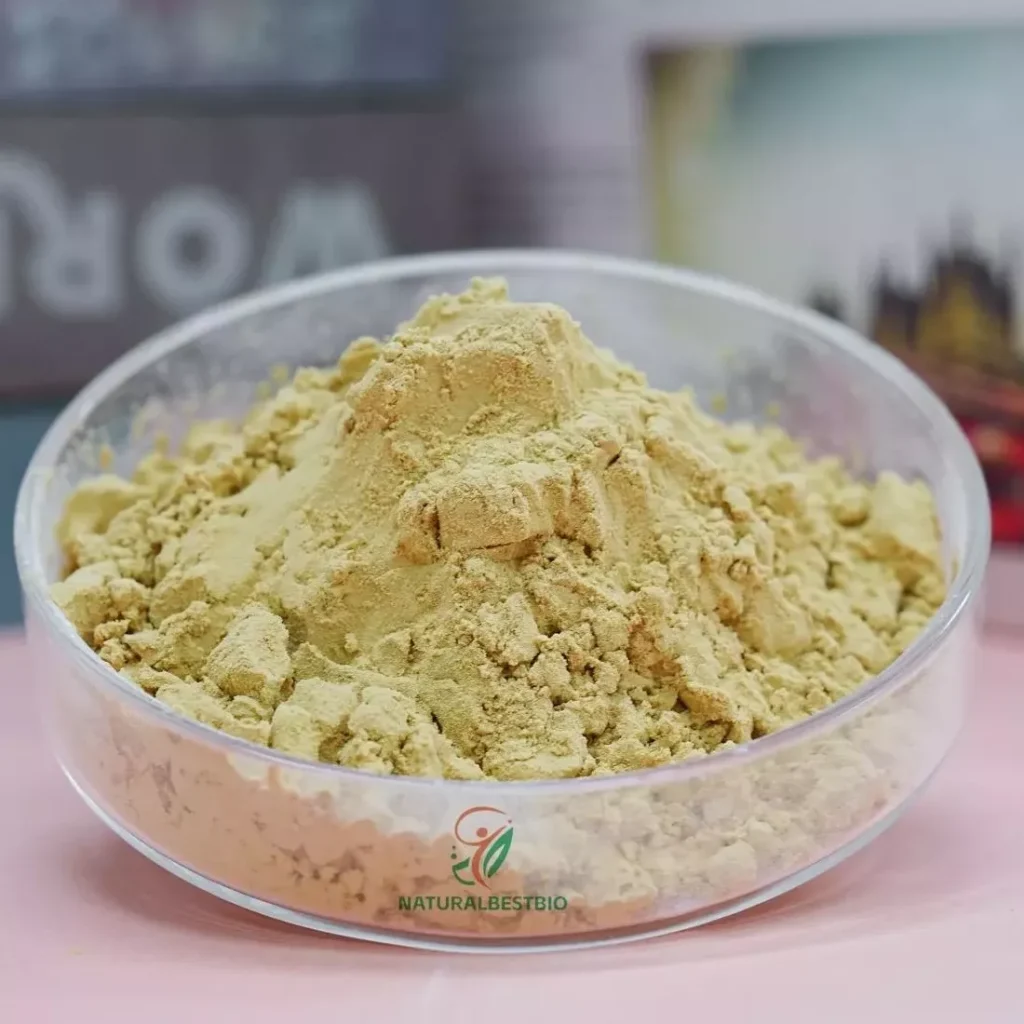
| Appearance | White to off-white powder |
| Solubility | Water soluble |
| Typical applications | Capsules, tablets, stick packs and functional beverages for B2B manufacturing |
| Documentation | Certificate of Analysis, specification sheet, identity, elemental magnesium content, heavy metals, microbiological testing, residual solvents, allergen statement, GMO statement and stability data |
| Quality system | ISO 22000:2018, FSSC 22000, HACCP and GMP (certificates provided on request) |
| Full specification | Magnesium Acetyl-Taurate (MagTaurate™) product specification |
| Supplier | Nutrition BioTech, 1601 W. Mission Blvd, Suite 103 (DL#29), Pomona, CA 91766, United States |
1. Introduction – Why Your Brain Craves Magnesium Differently
Let’s start with a simple truth: your brain is picky. Not in a dramatic, diva-like way—but in a highly selective, biochemical way that determines what actually gets in and what gets left behind.
You’ve probably heard that magnesium is essential. It supports over 300 enzymatic reactions, helps muscles relax, regulates sleep, and even stabilizes mood. But here’s the catch—not all magnesium reaches your brain effectively. And if your goal is cognitive performance, stress resilience, or neuroprotection, that distinction matters more than you might think.
Think of magnesium like a package being shipped to a high-security facility—your brain. It has to pass through the blood-brain barrier (BBB), a tightly controlled gateway that blocks most substances. Some magnesium forms are like poorly labeled packages—they never make it through. Others are engineered specifically for delivery.

2. The Bioavailability Trap – What “Bioavailable” Really Means for the Brain
“Bioavailable” sounds like a buzzword, right? Supplement companies throw it around like confetti. But what does it actually mean?
Bioavailability vs Brain Availability
Here’s the nuance most people miss:
- General bioavailability = how well your body absorbs magnesium into the bloodstream
- Brain bioavailability = how effectively it crosses into the brain
These are not the same thing.
Imagine drinking a glass of water. Your body absorbs it easily—but that doesn’t mean it hydrates your brain cells efficiently. Magnesium works similarly.
Why This Matters
Magnesium oxide, for example, is cheap and widely available. But compared to other forms, it’s:
- Less absorbable
- More likely to stay in the gut (hello, laxative effect)
- Less effective for neurological benefits
On the other hand, brain-targeted forms like:
- Magnesium L-Threonate
- Magnesium Acetyl-Taurate
…are specifically designed to cross the BBB more efficiently, making them better choices for cognitive support.
The Real Trap
The industry often markets “high absorption” magnesium without specifying where it’s absorbed or what it does afterward. That’s the trap.
If your goal is sleep, muscle relaxation, or digestion—many forms work fine.
But if your goal is memory, focus, or neuroprotection, you need something more targeted.
3. Magnesium L-Threonate – The “Memory Molecule”
If magnesium supplements had celebrities, Magnesium L-Threonate would be the neuroscientist’s favorite.
Why It’s Special
Developed by researchers at MIT, Magnesium L-Threonate was specifically designed to increase magnesium levels in the brain.
And compared to other forms, it does something unique:
- It significantly raises synaptic density
- Enhances learning and memory performance
- Improves short- and long-term recall
How It Works
L-threonate acts like a delivery vehicle that helps magnesium slip past the BBB. Once inside, it influences:
- NMDA receptor activity (critical for learning)
- Synaptic plasticity (your brain’s ability to adapt)
Advantages (Compared to Other Forms)
- Better for memory enhancement
- Stronger evidence in cognitive studies
- More targeted brain delivery
Disadvantages
- More expensive than most magnesium forms
- Requires consistent use for noticeable effects
- Less effective for relaxation compared to glycinate or taurate forms
Who Should Consider It?
- Students or professionals needing mental clarity
- Older adults concerned about cognitive decline
- Anyone dealing with brain fog
But here’s the twist—it’s not the only brain-optimized magnesium. That brings us to its lesser-known counterpart.
4. Magnesium Acetyl-Taurate — identity and specification
Now we’re getting into the real star of this article.
What Is Magnesium Acetyl-Taurate?
Magnesium Acetyl-Taurate combines:
- Magnesium – essential mineral for neuronal stability
- Taurine – an amino acid with calming and neuroprotective properties
This combination isn’t random—it’s synergistic.
Why It Stands Out
Compared to Magnesium L-Threonate, Magnesium Acetyl-Taurate is:
- Better for stress regulation
- Stronger for neuroprotection
- More calming without being sedating
It’s like comparing a high-performance sports car (L-Threonate) to a luxury hybrid (Acetyl-Taurate). One is optimized for speed (memory), the other for balance (protection + calm).
Mechanisms of Action
Magnesium Acetyl-Taurate may:
- Stabilize neuronal membranes
- Reduce excitotoxicity (too much neural firing)
- Support GABA activity (calming neurotransmitter)
- Improve mitochondrial function
Advantages
- Better for anxiety and stress resilience
- Stronger neuroprotective profile
- May support cardiovascular health (thanks to taurine)
- Often gentler on digestion
Disadvantages
- Less research compared to L-Threonate
- Not as widely available
- Cognitive enhancement effects may feel more subtle
Who Benefits Most?
- People dealing with chronic stress or burnout
- Those sensitive to overstimulation
- Individuals looking for long-term brain protection rather than quick boosts
5. Head-to-Head Comparison – Which Is More Bioavailable for Cognition?
Let’s break it down in a structured way for clarity.
Comparative Overview of Brain-Targeted Magnesium Forms
| Feature | Magnesium L-Threonate | Magnesium Acetyl-Taurate |
|---|---|---|
| Brain Penetration | Strong | Moderate to strong |
| Memory Enhancement | Better | Moderate |
| Stress Reduction | Moderate | Stronger |
| Neuroprotection | Good | Better |
| Cost | More expensive | Moderate |
| Research Support | Extensive | Emerging |
| Side Effects | Mild | Very mild |
Interpretation
- If your goal is faster cognitive improvement, L-Threonate may be better.
- If your goal is stronger long-term brain resilience, Acetyl-Taurate may win.
6. The Verdict – Do You Have to Choose One?
Short answer: No.
Long answer: it depends on your goals.
Stacking Strategy
Some people actually combine both:
- Morning: Magnesium L-Threonate for focus
- Evening: Magnesium Acetyl-Taurate for relaxation
This approach leverages the best of both worlds.
Is That Safe?
Generally, yes—if total magnesium intake stays within recommended limits (around 300–400 mg/day for adults). But always consult a healthcare professional if you have:
- Kidney issues
- Cardiovascular conditions
- Are taking medications
7. Practical Takeaways – How to Supplement for Cognitive Support
Let’s make this actionable.
Dosage Guidelines
- Magnesium L-Threonate: 1,000–2,000 mg (providing ~144 mg elemental magnesium)
- Magnesium Acetyl-Taurate: 125–500 mg (varies by formulation)
Timing
- L-Threonate: Morning or early afternoon
- Acetyl-Taurate: Evening or before bed
Stacking Tips
- Combine with Vitamin B6 for better absorption
- Pair with Omega-3 fatty acids for enhanced brain support
- Avoid taking with high-dose calcium (they compete)
Side Effects to Watch
- Mild drowsiness (Acetyl-Taurate)
- Digestive upset (rare)
- Headaches (usually dosage-related)
8. Limitations & Future Research
Let’s be honest—this field is still evolving.
Current Gaps
- Limited human trials on Magnesium Acetyl-Taurate
- Lack of long-term comparative studies
- Variability in supplement quality
What Researchers Are Exploring
- Neurodegenerative disease prevention
- Synergistic effects with other nootropics
- Personalized magnesium supplementation
In other words, we’re just scratching the surface.
9. Conclusion – Bioavailability Is Only Half the Story
Here’s the takeaway most people miss:
Getting magnesium into your brain is important—but what it does once it gets there matters even more.
Magnesium L-Threonate excels at boosting memory and cognition quickly.
Magnesium Acetyl-Taurate shines in protecting, calming, and sustaining brain health over time.
So instead of asking, “Which is better?”
Ask: “What does my brain need right now?”

10. FAQ of Magnesium Acetyl-Taurate
| Question | Answer |
|---|---|
| What is Magnesium Acetyl-Taurate used for? | It’s primarily used for brain health, stress reduction, and neuroprotection. Compared to other forms, it’s better for calming the nervous system. |
| Is it better than Magnesium L-Threonate? | Not necessarily better—just different. It’s stronger for relaxation and protection, while L-Threonate is better for memory enhancement. |
| Are there side effects? | Generally mild. Some users report slight drowsiness or digestive changes, but it’s considered gentler than many alternatives. |
| Who should take it? | People dealing with stress, anxiety, or long-term cognitive health concerns may benefit most. |
| Can you take it daily? | Yes, daily use is common and generally safe within recommended dosages. |
| Is it expensive? | It’s moderately priced—less expensive than L-Threonate but more costly than basic forms like oxide. |
| Can it improve sleep? | Yes, thanks to taurine’s calming effects, it may improve sleep quality compared to more stimulating magnesium forms. |