
Introduction: The High-Stakes Game of Molecular Replication
When you hear the term NAD+ boosters supplier, it might sound like just another niche in the supplement industry. But dig a little deeper, and you’ll realize this space operates more like a high-stakes biotech arena than a simple manufacturing business.
Why? Because NAD+ (nicotinamide adenine dinucleotide) isn’t just another trendy compound—it’s a fundamental coenzyme tied to cellular metabolism, aging, and energy production. That means when suppliers produce NAD+ boosters like NMN (nicotinamide mononucleotide) or NR (nicotinamide riboside), they’re essentially replicating molecules that directly interact with human biology at a cellular level.
Think of it like baking bread versus engineering microchips. One tolerates variation; the other demands precision down to the molecular fingerprint.
And here’s where things get interesting:
Not all NAD+ boosters suppliers are created equal.
Some deliver products that are better, purer, and more stable, while others cut corners, resulting in compounds that are less effective, less stable, and sometimes even unsafe.
So what separates a top-tier NAD+ boosters supplier from an average one?
That’s exactly what we’re going to unpack—step by step, process by process.
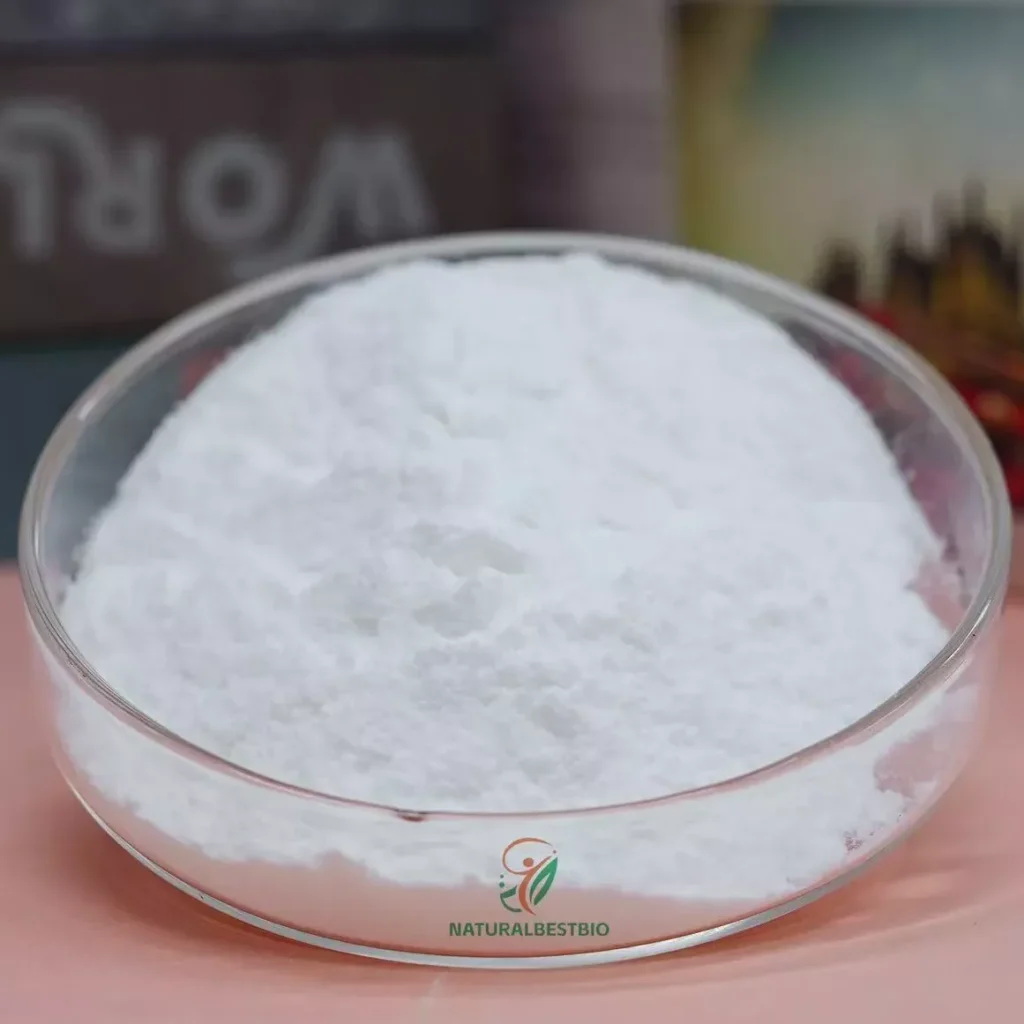
The “Genetic Fingerprint” of Raw Materials (Input Control)
Before anything is synthesized, scaled, or packaged, everything starts with raw materials. And in the NAD+ booster world, this stage is absolutely critical.
Imagine trying to bake a perfect cake using questionable flour. No matter how skilled you are, the outcome will always be compromised. The same principle applies here—but instead of flour, we’re talking about precursors like nicotinamide, ribose derivatives, and enzymatic substrates.
Why Input Control Matters More Than You Think
A high-quality NAD+ boosters supplier doesn’t just accept raw materials—they interrogate them.
They analyze:
- Molecular purity (often >99%)
- Residual solvents
- Heavy metal contamination
- Microbial load
- Chirality (yes, molecular “handedness” matters)
Compared to lower-tier suppliers, who may rely on basic supplier certificates, premium manufacturers use advanced analytical methods like:
- HPLC (High-Performance Liquid Chromatography)
- Mass spectrometry
- NMR spectroscopy
Raw Material Comparison Snapshot
| Parameter | High-End Supplier | Budget Supplier |
|---|---|---|
| Purity Level | ≥99% | 95–98% |
| Testing Depth | Multi-layer (HPLC, NMR) | Basic COA only |
| Contaminants | Strictly controlled | Variable |
| Cost | More expensive | Less expensive |
| Reliability | Stronger | Weaker |
The Real-World Impact
So what does this mean for you?
- A better input leads to a stronger final product
- A cleaner precursor results in faster absorption and fewer side effects
- A well-characterized molecule behaves more predictably in the body
On the flip side, poor-quality inputs can lead to:
- Reduced efficacy
- Unknown metabolites
- Increased risk of adverse reactions
It’s not just chemistry—it’s risk management.
The “Goldilocks Zone” – Engineering the Scale-Up Physics
Scaling up production is where many NAD+ boosters suppliers either shine… or fall apart.
You’ve probably heard the phrase “just right”. That’s exactly what this stage demands.
Too hot? Molecules degrade.
Too cold? Reactions stall.
Too fast? Impurities form.
Too slow? Costs skyrocket.
Why Scale-Up Is So Tricky
In a lab, producing NAD+ precursors is relatively controlled. But when you scale from grams to kilograms—or even tons—the physics change dramatically.
Heat transfer behaves differently.
Mixing becomes uneven.
Reaction kinetics shift.
A top-tier NAD+ boosters supplier engineers what we call the “Goldilocks Zone”—where every variable is optimized.
Key Scale-Up Variables
| Factor | Optimal Condition | Risk if Mismanaged |
|---|---|---|
| Temperature | Precisely controlled | Degradation |
| pH Levels | Stable | Side reactions |
| Mixing Speed | Uniform | Inconsistent batches |
| Reaction Time | Balanced | Low yield or impurities |
Compared to Smaller Operations
- Larger, advanced suppliers use automated reactors and real-time monitoring
- Smaller suppliers often rely on manual adjustments, which are less consistent
That makes the difference between:
- A stronger, purer product
- Versus a cheaper but less reliable alternative
Analogy Time
Think of this stage like brewing coffee.
Too hot, and it burns.
Too cold, and it tastes weak.
Too fast, and it’s bitter.
Too slow, and it’s flat.
Now imagine doing that at an industrial scale—every single day—with zero tolerance for error.
Process Analytical Technology (PAT) – The “Live” Quality Check
Now we enter the realm of real-time intelligence.
If traditional quality control is like checking your homework after finishing it, Process Analytical Technology (PAT) is like having a tutor watching you as you write—correcting mistakes instantly.
What Is PAT, Really?
PAT involves continuous monitoring of chemical processes during production.
Instead of waiting until the end, suppliers track:
- Reaction progress
- Impurity formation
- Molecular conversion rates
Why This Matters
Compared to post-production testing, PAT is:
- Faster – Issues are caught immediately
- Better – Prevents defects instead of detecting them
- Stronger – Ensures batch-to-batch consistency
PAT vs Traditional QC
| Feature | PAT System | Traditional QC |
|---|---|---|
| Timing | Real-time | After production |
| Efficiency | Faster | Slower |
| Waste | Lower | Higher |
| Accuracy | Higher | Moderate |
The Competitive Edge
Suppliers using PAT produce NAD+ boosters that are:
- More consistent
- More stable
- Less prone to contamination
Meanwhile, those without it often deal with:
- Batch failures
- Rework costs
- Quality variability
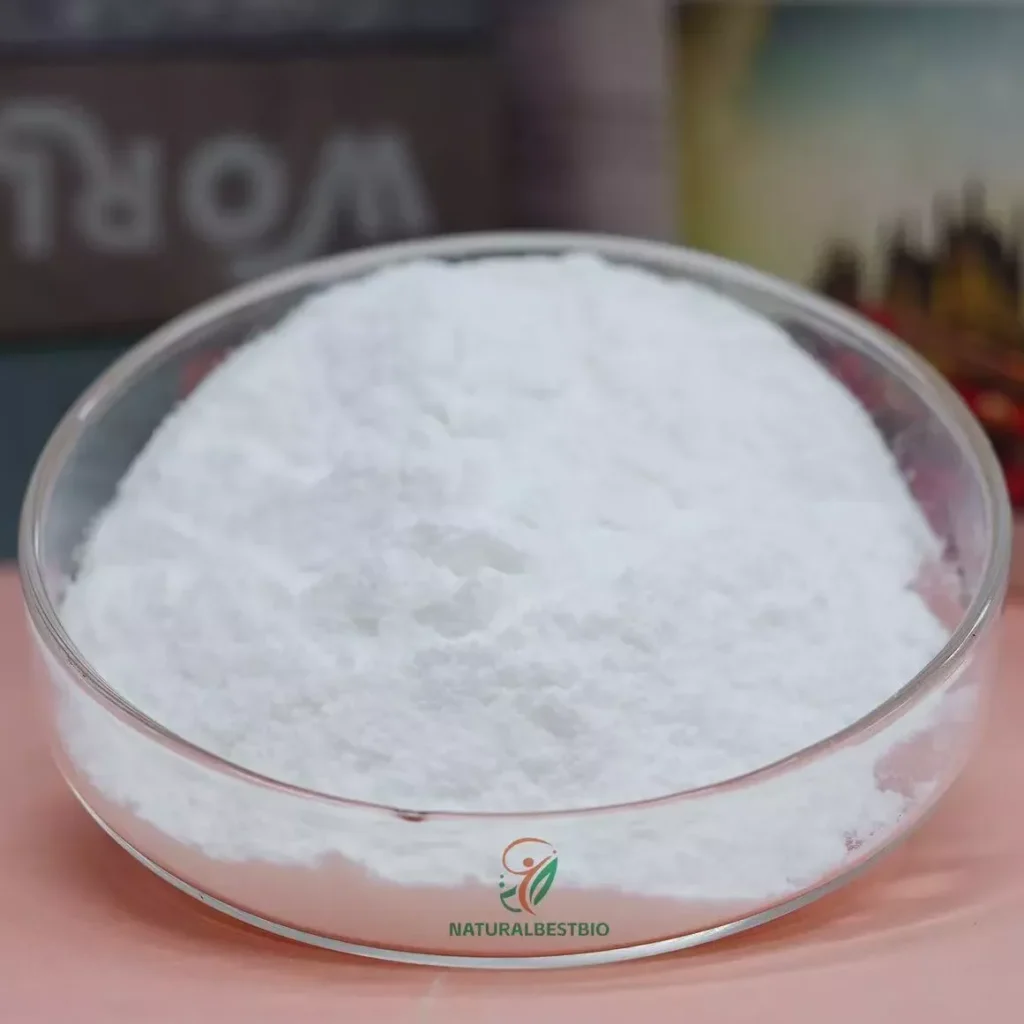
The “Closed-Loop” System – When Data Drives Consistency
Now imagine combining PAT with automation.
You don’t just monitor—you react instantly.
That’s the essence of a closed-loop system.
How It Works
Sensors collect data → Algorithms analyze it → Machines adjust parameters in real time.
No human delay. No guesswork.
Why This Is a Game-Changer
Compared to manual systems, closed-loop manufacturing is:
- Faster in response
- Better at maintaining consistency
- Stronger in reducing human error
Closed-Loop vs Manual Control
| Feature | Closed-Loop System | Manual Control |
|---|---|---|
| Response Time | Instant | Delayed |
| Accuracy | High | Variable |
| Labor Cost | Lower long-term | Higher |
| Scalability | Excellent | Limited |
What This Means for NAD+ Boosters
- Every batch is nearly identical
- Variability is minimized
- Quality becomes predictable
And in a market where consumers are increasingly informed, consistency is everything.
The Final Fortress – Fill/Finish and Stability Storage
You’d think the hard part is over once the molecule is made. But surprisingly, the final stage can make or break the product.
What Happens Here?
- Filling into capsules, powders, or vials
- Sealing under controlled environments
- Storing under specific temperature and humidity conditions
Why It Matters
NAD+ precursors are notoriously sensitive.
Exposure to:
- Heat
- Light
- Oxygen
…can degrade them rapidly.
Packaging Comparison
| Aspect | Premium Supplier | Basic Supplier |
|---|---|---|
| Packaging | Oxygen-barrier, UV-resistant | Standard bottles |
| Storage | Climate-controlled | Ambient |
| Shelf Life | Longer | Shorter |
Real-World Consequences
A product might leave the factory at 99% purity—but if poorly stored, it could drop significantly before reaching the consumer.
So yes, the “final fortress” is just as important as the synthesis itself.
The “Failure Mode” – Transparency in Deviation
Let’s talk about something most suppliers avoid: failure.
Even the best systems encounter deviations.
The difference?
Top-tier NAD+ boosters suppliers own it.
What Transparency Looks Like
- Documented deviations
- Root cause analysis
- Corrective actions
- Batch recalls if needed
Why This Builds Trust
Compared to opaque suppliers, transparent ones are:
- More trustworthy
- More accountable
- Better aligned with regulatory expectations
Supplier Behavior Comparison
| Behavior | Transparent Supplier | Opaque Supplier |
|---|---|---|
| Deviation Reporting | Open | Hidden |
| Customer Trust | Higher | Lower |
| Risk | Lower | Higher |
Conclusion: Consistency is the Currency of Trust
At the end of the day, the NAD+ boosters supplier industry isn’t just about producing molecules—it’s about earning trust through consistency.
From raw material selection to final packaging, every step either strengthens or weakens that trust.
And here’s the takeaway:
- The best suppliers are not the cheapest
- The fastest producers are not always the most reliable
- The strongest brands are built on consistency, not hype
So when choosing a NAD+ boosters supplier, ask yourself:
Would you rather have something that’s less expensive but inconsistent…
Or something that’s better, stronger, and more reliable?
Because in molecular manufacturing, precision isn’t optional—it’s everything.
FAQ of NAD+ Boosters Supplier
| Question | Answer |
|---|---|
| What are NAD+ boosters? | NAD+ boosters are compounds like NMN and NR that increase NAD+ levels in the body, supporting energy metabolism and cellular repair. |
| Are NAD+ boosters safe? | Generally safe for healthy adults, but quality matters. Poorly manufactured products may contain impurities or degraded compounds. |
| How do I choose a good NAD+ boosters supplier? | Look for high purity standards, third-party testing, transparent documentation, and advanced manufacturing processes like PAT systems. |
| Why are some NAD+ boosters more expensive? | Higher cost often reflects better raw materials, stricter quality control, and more advanced production technologies. |
| Do NAD+ boosters have side effects? | Mild side effects like nausea or flushing may occur. Lower-quality products may increase the risk of adverse effects. |
| Who should use NAD+ boosters? | Typically used by aging adults, athletes, and individuals interested in longevity and energy optimization. |
| How should NAD+ boosters be stored? | In a cool, dry place away from light and heat to maintain stability. |
| Are all NAD+ boosters the same? | No. They vary in purity, stability, bioavailability, and manufacturing quality. |
| How fast do NAD+ boosters work? | Effects vary. Some users notice changes in energy within weeks, while others may take longer. |
| Can NAD+ boosters replace a healthy lifestyle? | No. They are supplements, not substitutes for proper diet, sleep, and exercise. |