
1. Introduction: The Invisible Hand of Clinical Research
Let’s start with something most people overlook.
When you think about groundbreaking clinical trials—anti-aging therapies, metabolic disease treatments, neurodegenerative breakthroughs—you probably imagine scientists in lab coats, advanced equipment, or even futuristic AI models crunching data.
But here’s the uncomfortable truth: none of that matters if your raw materials are inconsistent.
And that’s exactly where a NAD+ powder supplier quietly becomes the most critical player in the room.
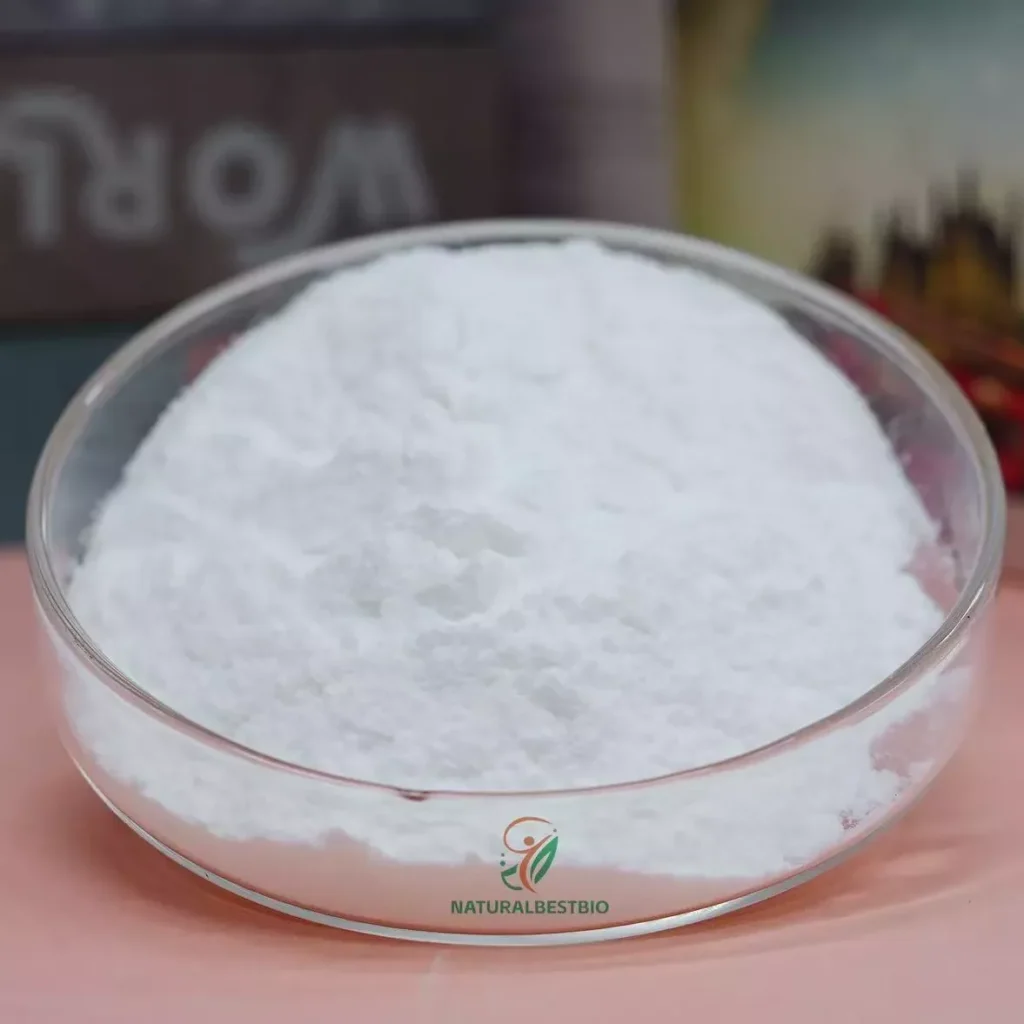
Nicotinamide adenine dinucleotide (NAD+) isn’t just another biochemical compound. It’s a central coenzyme involved in cellular energy metabolism, DNA repair, and aging pathways. Researchers rely on high-purity NAD+ powder for preclinical studies, clinical trials, and pharmaceutical development.
Now here’s the catch:
Even tiny inconsistencies in NAD+ powder—like a 0.5% impurity variation—can derail months or even years of research.
Think of it like baking. If your flour changes slightly every time you bake, your cake will never turn out the same. In clinical research, that “bad cake” could mean millions in losses—or worse, invalid conclusions.
So, what separates a good NAD+ powder supplier from a great one?
That’s what we’re unpacking here.
2. The Clinical Conundrum: Why Batch Variation Ruins Research
Why NAD+ Powder Consistency Matters More Than You Think
Imagine running a Phase II clinical trial. Everything is controlled—patient selection, dosing protocols, monitoring systems.
But then… results vary wildly.
Why?
Because your NAD+ powder from Batch A isn’t quite the same as Batch B.
That’s the nightmare scenario.
Batch Variation: The Silent Saboteur
Batch variation refers to differences in:
- Purity levels
- Moisture content
- Residual solvents
- Particle size distribution
- Stability under storage
Even if these differences seem “minor,” they can:
- Alter bioavailability
- Affect metabolic pathways
- Skew pharmacokinetics
- Introduce unexpected side effects
Compared to pharmaceutical-grade NAD+, lower-tier suppliers often produce less consistent batches, making them cheaper—but also far riskier.
The Real Cost of Inconsistency
Let’s be blunt.
| Scenario | Outcome |
|---|---|
| Consistent NAD+ supplier | Reliable, reproducible results |
| Inconsistent supplier | Trial delays, data rejection |
| Poor-quality supplier | Regulatory failure |
A cheaper supplier may seem “better” financially upfront—but compared to the cost of a failed trial, it’s dramatically more expensive in the long run.
3. The Paradigm Shift: Supplier as a “Quality Partner,” Not Just a Seller
From Vendor to Strategic Ally
The old mindset?
“Find the cheapest NAD+ powder supplier.”
The modern mindset?
“Find a supplier who protects your data integrity.”
Top-tier suppliers today act less like vendors and more like quality partners.
They:
- Collaborate on formulation challenges
- Provide technical support
- Share analytical insights
- Offer regulatory guidance
Why This Shift Matters
Clinical research is no longer linear—it’s iterative, complex, and data-sensitive.
Compared to transactional suppliers, quality partners are better, faster, and more reliable at adapting to evolving research needs.
Think of it like this:
- A vendor delivers a product
- A partner delivers confidence
And in clinical trials, confidence is everything.
4. The Manufacturing Science: How Top-Tier Suppliers Achieve Zero Deviation
Precision Manufacturing: Where Science Meets Discipline
Producing NAD+ powder isn’t just chemistry—it’s precision engineering.
Top-tier suppliers invest heavily in:
- GMP (Good Manufacturing Practice) facilities
- Controlled synthesis environments
- Advanced purification technologies
Key Techniques for Zero Deviation
| Process Stage | High-Quality Approach | Lower-Tier Approach |
|---|---|---|
| Synthesis | Controlled enzymatic reactions | Variable chemical synthesis |
| Purification | Multi-step chromatography | Basic filtration |
| Drying | Lyophilization (freeze-drying) | Air drying |
| Testing | Multi-point QC analysis | Single-point testing |
Why This Matters
Compared to basic methods, advanced manufacturing produces NAD+ powder that is:
- More stable
- More bioavailable
- Less contaminated
- More reproducible
In other words, it’s not just “better”—it’s fundamentally safer and stronger for clinical applications.
5. The Documentation: The Paper Trail that Protects the Trial
If It’s Not Documented, It Doesn’t Exist
In clinical research, documentation isn’t optional—it’s survival.
A reliable NAD+ powder supplier provides:
- Certificates of Analysis (CoA)
- Batch records
- Stability data
- Impurity profiles
- Regulatory compliance documents
Why Documentation Is Your Safety Net
Imagine the FDA asking:
“Can you prove your NAD+ batches were consistent?”
If you can’t… your trial is in trouble.
Compared to suppliers with minimal documentation, fully transparent suppliers are far more trustworthy and compliant.
Documentation Quality Comparison
| Feature | High-End Supplier | Low-End Supplier |
|---|---|---|
| CoA Detail | Comprehensive | Basic |
| Traceability | Full | Limited |
| Regulatory Support | Strong | Weak |
| Audit Readiness | Immediate | Risky |
Documentation isn’t just paperwork—it’s your legal and scientific shield.
6. The “Extra Mile”: Customization for Clinical Specifics
One Size Doesn’t Fit All
Here’s a common misconception:
“All NAD+ powder is the same.”
Not even close.
Different studies require different specifications:
- Particle size for solubility
- Stability for long-term storage
- Packaging for transport conditions
- Formulation compatibility
Customization: The Competitive Edge
Top suppliers offer:
- Custom batch sizes
- Tailored purity levels
- Specialized packaging
- Stability optimization
Compared to generic suppliers, customized solutions are:
- More effective
- More precise
- Less risky
But yes—they’re often more expensive.
And that’s the trade-off.
Who Benefits Most from Customization?
- Pharmaceutical companies
- Clinical research organizations (CROs)
- Academic labs with specialized protocols
For these users, customization isn’t a luxury—it’s a necessity.
7. Case Study: The Difference Between a Failed and Successful Phase II Trial
Two Trials. Same Goal. Different Outcomes.
Let’s tell a story.
Trial A: The Failure
- Supplier: Low-cost NAD+ provider
- Issue: Batch inconsistency
- Result: Variable patient outcomes
- Outcome: Trial halted
Trial B: The Success
- Supplier: Premium GMP-certified partner
- Approach: Strict batch control + documentation
- Result: Consistent efficacy signals
- Outcome: Progressed to Phase III
What Made the Difference?
| Factor | Trial A | Trial B |
|---|---|---|
| Supplier Quality | Low | High |
| Batch Consistency | Poor | Excellent |
| Documentation | Weak | Strong |
| Outcome | Failure | Success |
The Takeaway
Choosing a better NAD+ powder supplier isn’t just a procurement decision—it’s a strategic one.
8. Future Trends: How AI and PAT are Changing Batch Consistency
The Rise of Smart Manufacturing
The future of NAD+ powder supply is… intelligent.
Technologies like:
- AI-driven process optimization
- PAT (Process Analytical Technology)
- Real-time quality monitoring
are transforming manufacturing.
What Does This Mean for You?
Compared to traditional methods, these technologies enable:
- Faster production cycles
- More precise quality control
- Lower deviation rates
AI vs Traditional Manufacturing
| Feature | Traditional | AI-Driven |
|---|---|---|
| Quality Control | Reactive | Proactive |
| Efficiency | Moderate | High |
| Error Rate | Higher | Lower |
Suppliers adopting these technologies are not just better—they’re future-proof.
9. Conclusion: Choosing the Supplier That Protects Your Data
At the end of the day, selecting a NAD+ powder supplier isn’t about price.
It’s about:
- Data integrity
- Patient safety
- Regulatory success
A cheaper supplier might look attractive—but compared to the risks, it’s often the wrong choice.
The right supplier is:
- Consistent
- Transparent
- Technically advanced
- Collaborative
Think of them as the foundation of your research.
Because without a strong foundation, everything else collapses.
10. FAQ of NAD+ Powder Supplier
| Question | Answer |
|---|---|
| What is NAD+ powder used for? | NAD+ powder is used in clinical research, anti-aging studies, metabolic therapies, and pharmaceutical development due to its role in cellular energy and repair. |
| How do I choose a reliable NAD+ powder supplier? | Look for GMP certification, batch consistency, strong documentation, and customization capabilities. |
| Why is batch consistency so important? | Inconsistent batches can alter clinical outcomes, making results unreliable and potentially invalidating trials. |
| Is a more expensive supplier always better? | Not always, but higher-cost suppliers often provide better quality, stronger documentation, and lower risk. |
| What certifications should a supplier have? | GMP, ISO, and regulatory compliance certifications are essential for clinical-grade materials. |
| Can NAD+ powder have side effects? | In clinical contexts, improper purity or contamination can lead to side effects, emphasizing the need for high-quality suppliers. |
| Who typically uses NAD+ powder? | Pharmaceutical companies, biotech firms, academic researchers, and clinical organizations. |
| What’s the difference between pharmaceutical-grade and research-grade NAD+? | Pharmaceutical-grade is more pure, consistent, and regulated compared to research-grade, which may be cheaper but less reliable. |
| How is NAD+ powder stored? | Typically in controlled environments with low humidity and stable temperatures to maintain stability. |
| What trends are shaping the future of NAD+ suppliers? | AI-driven manufacturing, real-time quality monitoring, and increased demand for customization are leading trends. |