
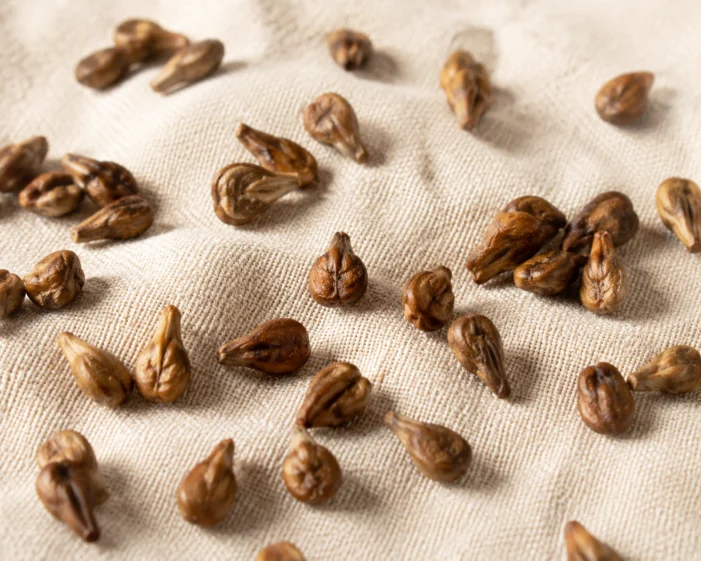
1. The Quiet Powerhouse No One Talks About Enough
Let’s cut to the chase. Grape seed extract is one of the most clinically grounded botanical ingredients available today. It remains commercially versatile, yet it often sits under the radar in the nutraceutical supply chain. Walk the aisles at any supplement trade show, or scan Amazon’s private-label analytics. You will find that grape seed extract appears in more finished products than most people realize.
The reason is simple. Grape seed extract delivers a concentrated dose of oligomeric proanthocyanidins (OPCs). This class of polyphenol compounds boasts documented antioxidant capacity. In multiple standardized assays, it regularly outperforms Vitamin C and Vitamin E. For B2B buyers sourcing raw materials, that translates to a reliable product. It offers strong science, real consumer demand, and room for meaningful differentiation based on purity grade.
The question isn’t whether grape seed extract is worth sourcing. It’s whether you’re sourcing the right grade from a facility that actually tests for it.
2. What Grape Seed Extract Actually Is (And Why It Matters)
Grape seed extract is derived from the seeds of Vitis vinifera. This is the same plant species that produces wine grapes. The seeds represent roughly 20–25% of the fruit’s dry weight. They contain a concentrated polyphenol profile that has been the subject of over 400 peer-reviewed studies. The primary bioactive compounds are OPCs. These short-chain polyphenol oligomers and polymers feature a molecular structure that makes them uniquely effective at neutralizing free radicals.
Think of OPCs like a molecular crowd control system. Free radicals are unstable oxygen molecules generated by UV exposure, pollution, stress, and metabolic activity. They damage cell membranes, proteins, and DNA through a chain reaction called oxidative stress. Most antioxidants can intercept only one or two steps in that chain. Conversely, OPCs from grape seed extract can intercept at multiple points simultaneously. This occurs thanks to their ability to bond with both water-soluble and lipid-soluble free radical species.
Clinical data supports these mechanisms. A randomized, double-blind, placebo-controlled crossover trial evaluated 70 healthy adults. Published in the Journal of Medicinal Food (PMID: 26331287), the study found that 300 mg of grape seed extract daily for 8 weeks significantly reduced systolic and diastolic blood pressure compared to a placebo. No serious adverse events were reported. The study attributes this positive effect to improved endothelial function mediated by OPCs.
For B2B buyers, this means grape seed extract is not a “nice-to-have” antioxidant filler. It is a clinically supported functional ingredient with a real mechanism of action.
3. OPCs and Antioxidant Capacity: What the Numbers Actually Mean
Every supplier quotes “OPC content.” However, not every OPC measurement tells the same story.
The gold standard for OPC quantification is the vanillin-HCl assay or the Folin-Ciocalteu method. Both measure total polyphenol content and express it as a percentage of the dry extract. Standard commercial grape seed extract typically ranges from 50% to 95% OPC content. Higher percentages command higher prices and allow stronger positioning in premium formulations.
Think of it like fuel octane. A 50% OPC extract will work fine. However, a 95% OPC extract performs differently. It delivers higher potency per capsule, allows stronger label claims, and commands a premium price point. B2B buyers need to answer a critical question. Do not just ask “do I need 95%?” Instead, ask “what does my target consumer and price tier actually require?”
Consider market positioning. A mass-market antioxidant supplement priced at $14.99 for a 60-count bottle may comfortably use a 50% OPC extract. Conversely, a premium cardiovascular stack retailing at $34.99 with a “300 mg OPCs per serving” claim requires a 95% OPC extract. Anything less becomes a serious label-compliance issue.

4. Cardiovascular Health: The Most Clinically Backed Application
Cardiovascular support is the most researched and commercially validated application for grape seed extract. It serves as the primary selling point for most finished products.
A systematic review and meta-analysis evaluated 9 randomized controlled trials with over 800 participants. Published in the Journal of the American College of Nutrition (PMID: 29320494), the study concluded that grape seed extract supplementation produced a statistically significant reduction in blood pressure. It reduced systolic blood pressure by a mean of −5.8 mmHg and diastolic blood pressure by a mean of −2.8 mmHg. These effects were most pronounced in pre-hypertensive and stage 1 hypertensive populations.
Grape Seed Extract (OPCs) -> Enhances eNOS Activity -> Increases Nitric Oxide -> Relaxes Vascular Smooth Muscle -> Lowers Blood Pressure
The mechanism behind this effect is clear. OPCs enhance endothelial nitric oxide synthase (eNOS) activity. This increase raises nitric oxide bioavailability and improves vascular endothelial function. Nitric oxide acts as a vasodilator molecule to relax smooth muscle in blood vessel walls. This relaxation reduces peripheral resistance and lowers blood pressure. Additionally, OPCs reduce oxidative stress on endothelial cells, preserving long-term vascular elasticity.
Furthermore, the same meta-analysis reported notable improvements in LDL oxidation markers. LDL oxidation is a key upstream driver of atherosclerotic plaque formation. This data provides B2B formulators with a second credible cardiovascular mechanism. It allows brands to differentiate their products beyond simple blood pressure support.
5. Antioxidant and Anti-Aging Applications Beyond Cardiovascular
Beyond cardiovascular support, grape seed extract’s high OPC content makes it a versatile asset. It fits perfectly into anti-aging, skin health, and general wellness formulations.
5.1 Skin Health and Collagen Support
OPCs from grape seed extract inhibit matrix metalloproteinases (MMPs). These enzymes actively break down collagen and elastin in the dermis. By blocking them, the extract provides an indirect anti-aging mechanism that complements direct collagen supplementation.
A randomized, double-blind, placebo-controlled study confirmed these cosmetic benefits. Published in Phytotherapy Research (PMID: 31668069), the trial evaluated 40 healthy women. It found that grape seed extract supplementation significantly improved skin elasticity and hydration over 12 weeks. It also reduced sebum production, which researchers attributed to both antioxidant protection and MMP inhibition.
5.2 Cognitive and Neuroprotective Support
The unique polyphenol structure of OPCs allows them to cross the blood-brain barrier. This capability makes grape seed extract an excellent candidate ingredient for cognitive health formulations.
Animal studies have demonstrated OPC-mediated reductions in neuroinflammation markers. The ingredient also protects against oxidative damage in hippocampal tissue, which is a mechanism highly relevant to age-related cognitive decline. Human clinical data is still emerging. However, preliminary evidence fully supports B2B positioning in the nootropic and cognitive-wellness categories.
5.3 Allergen and Histamine Modulation
OPCs have been studied for their ability to stabilize mast cells. This action reduces histamine release, making the extract valuable for seasonal allergy and mild inflammatory formulations.
A clinical study published in Allergy (PMID: 17573762) explored this angle. Researchers found that grape seed extract supplementation successfully reduced seasonal allergy symptom scores compared to a placebo. The outcome was attributed to OPC-mediated stabilization of histamine-producing mast cells in nasal and bronchial tissue.
6. B2B Formulation: Dosage, Stacking, and Product Positioning
For B2B formulators, the key question centers on design. What does a finished grape seed extract product actually look like?
Clinical Dosage Benchmarks
The following table outlines dosage benchmarks derived directly from clinical research:
| Application | Daily Dose | OPC Content | Study Reference |
| Cardiovascular / BP | 300–600 mg | 50–95% OPCs | PMID: 29320494 |
| General Antioxidant | 100–300 mg | 50% OPCs | Standard Industry Practice |
| Skin Health | 150–300 mg | 95% OPCs | PMID: 31668069 |
Consider a practical example. A B2B private-label cardiovascular supplement can position “600 mg Grape Seed Extract (95% OPCs) per serving” as a premium, clinically backed claim. The brand can directly reference the blood pressure reduction data from the 9-trial meta-analysis. Compare that to a generic “Grape Seed Extract 100 mg” product with no OPC specification. The positioning and marketing difference is substantial.
Ingredient Stacking Recommendations
Grape seed extract pairs exceptionally well with other actives to build synergistic blends:
- Vitamin C: Creates a powerful, synergistic antioxidant effect.
- Pycnogenol: Offers a different pine bark source with a complementary polyphenol profile.
- Resveratrol: Combines two distinct cardiovascular polyphenols that operate via different molecular mechanisms.
For B2B formulators building a multi-ingredient cardiovascular or antioxidant stack, grape seed extract serves as an accessible, well-documented base. If you need assistance creating a custom blend, you can contact our team for immediate technical support.
7. GMP Sourcing: What B2B Buyers Actually Need to Verify
Here is a reality that sinks otherwise well-formulated products. If your grape seed extract does not come from a verified source, your finished product’s label claims become marketing fiction rather than real science.
What GMP Covers for Grape Seed Extract
A GMP-certified botanical extract facility operates under strict regulatory requirements. At a minimum, the facility must cover raw material botanical identification using both macroscopic and microscopic methods. It must also perform pesticide residue screening covering over 400 distinct pesticides.
Furthermore, the quality system requires heavy metals testing for lead, cadmium, arsenic, and mercury within USP limits. It must execute full microbiology testing for TAMC, TYMC, E. coli, and Salmonella. Finally, the manufacturer must conduct residual solvent testing, verify batch-to-batch consistency, and provide both real-time and accelerated stability data.
Think of GMP verification like checking the engine of a commercial vehicle. You can easily see the exterior and read the sticker price. However, without popping the hood, you have no idea what is actually running or how long it will keep moving.
Five Sourcing Red Flags to Watch For
Red Flag 1: Vague OPC Content Claims
If a supplier refuses to quote a specific OPC percentage backed by a batch-specific COA, treat it as an immediate disqualification. Phrases like “rich in polyphenols” do not constitute a professional specification.
Red Flag 2: Pesticide Screening Gaps
Grape crops rank among the most heavily sprayed agricultural products globally. A supplier that tests for fewer than 200 pesticide residues is not testing sufficiently for export-grade material.
Red Flag 3: No Botanical Authentication
Grape seed extract must be authenticated as Vitis vinifera. This requires macroscopic and microscopic examination by a qualified botanist. Without this authentication, you cannot confirm the material is actually grape seed rather than an unauthenticated species.
Red Flag 4: Missing Heavy Metals Panel
Heavy metal accumulation in grape skins and seeds remains a well-documented issue. A supplier that fails to provide Pb, Cd, As, and Hg data per batch exposes your brand to severe regulatory risk in EU and US markets.
Red Flag 5: Inconsistent Batch-to-Batch OPC Percentages
Suppose three consecutive COAs show OPC content ranging wildly from 45% to 72% with no clear explanation. That is not normal natural variability. Instead, it indicates dangerous process drift, and you should walk away.
8. Sourcing Grape Seed Extract: The B2B Buyer’s Checklist
Before placing a bulk order, every B2B buyer should verify the following parameters. This checklist successfully separates commodity sourcing from strategic supplier partnerships.
Required Documentation Checklist
- Full Certificate of Analysis (COA) available for every single batch.
- OPC content verified by vanillin-HCl or Folin-Ciocalteu assay.
- Heavy metals panel (Pb, Cd, As, Hg) verified within USP limits.
- Pesticide residue screening covering at least 400 distinct pesticides.
- Microbiology testing completed for TAMC, TYMC, E. coli, and Salmonella.
- Comprehensive stability data available, including both accelerated and real-time testing.
Manufacturing Facility Criteria
- GMP-certified manufacturing facility with a verifiable certificate number.
- Botanical authentication performed by a qualified microscopist.
- Complete batch record traceability from raw agricultural material to finished product.
- Third-party quality audit reports made available upon professional request.
Final Product Specifications
- OPC grade (50% vs. 95%) clearly specified and accurately matched to your label claims.
- Allergen-free certifications available if your target market requires them.
- Minimum Order Quantity (MOQ) aligned properly with your current order volume.
- Lead times clearly stated and consistently honored on repeat wholesale orders.
This guide covers the science, applications, formulation considerations, and sourcing criteria needed to make an informed decision on grape seed extract for your B2B product line. For buyers ready to move from a checklist to an active supplier evaluation, the next step is reaching out to potential manufacturers with a clear list of your requirements.
A well-prepared initial inquiry signals to suppliers that you understand the category and are serious about quality, not just price. To request a product sample, technical datasheet, or a bulk pricing quotation, please contact the Naturalbestbio team today.